How AI Is Transforming Preventive Healthcare and Early Diagnosis
How AI Is Transforming Preventive Healthcare and Early Diagnosis
Preventive healthcare has traditionally relied on periodic checkups, patient-reported symptoms, and reactive interventions. However, the rise of artificial intelligence is fundamentally changing this model by shifting healthcare from reactive to predictive. AI systems are now capable of analyzing massive datasets—including medical records, imaging, wearable device data, and genetic information—to identify patterns that human clinicians may not detect early enough.
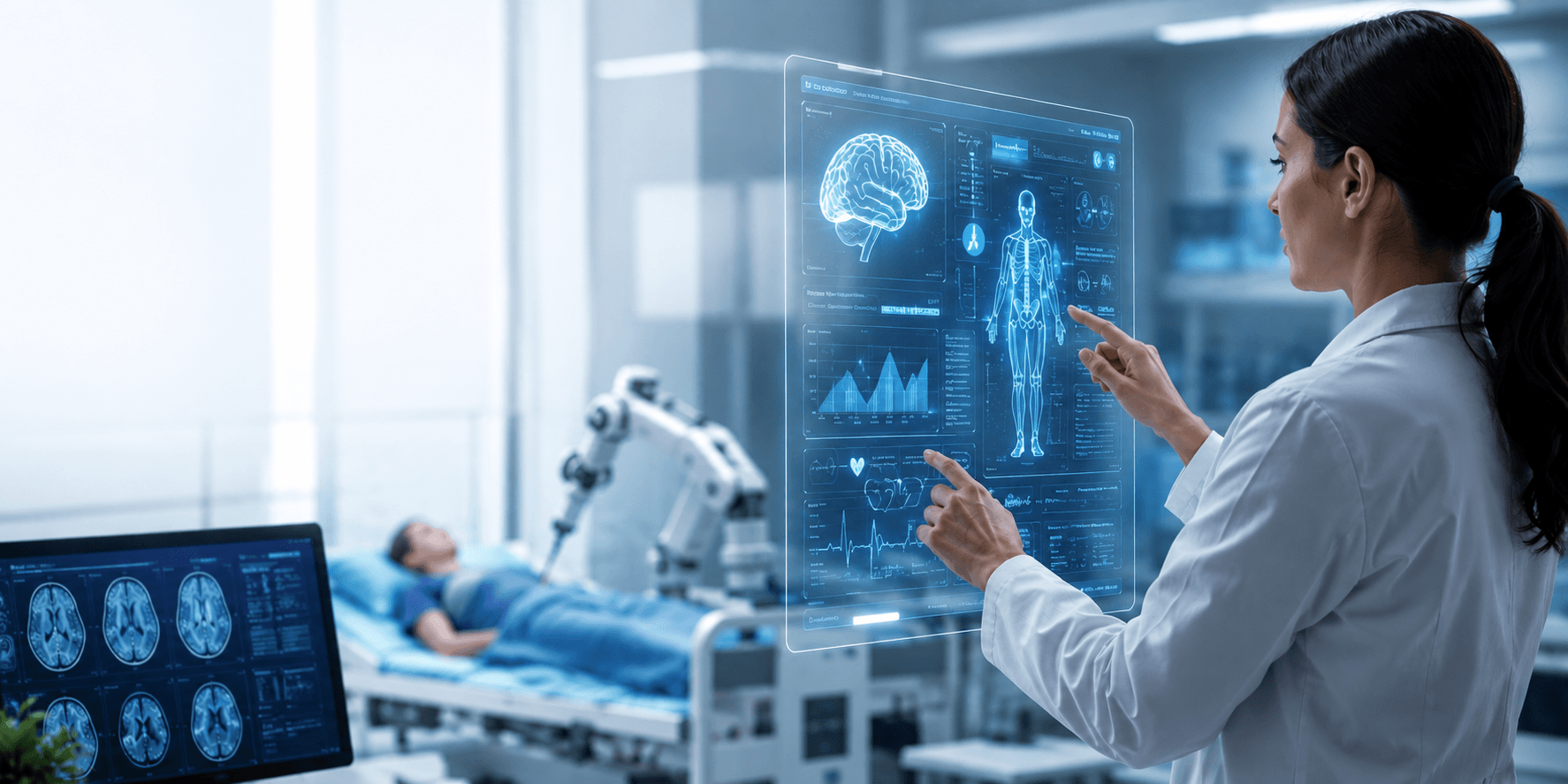
At the core of this transformation is machine learning, which allows algorithms to continuously improve as they process more data. For example, AI models trained on thousands of imaging scans can detect early-stage cancers, cardiovascular abnormalities, or neurological changes with remarkable accuracy. In some cases, these systems can flag risks months or even years before symptoms appear, offering a critical window for early intervention.
How AI Supports Early Disease Detection
AI-powered healthcare systems can analyze:
- Medical imaging scans
- Electronic health records
- Wearable device data
- Genetic information
- Lifestyle and behavioral patterns
By combining these data sources, AI can uncover hidden health risks and support faster clinical decision-making.
The Role of Wearable Technology
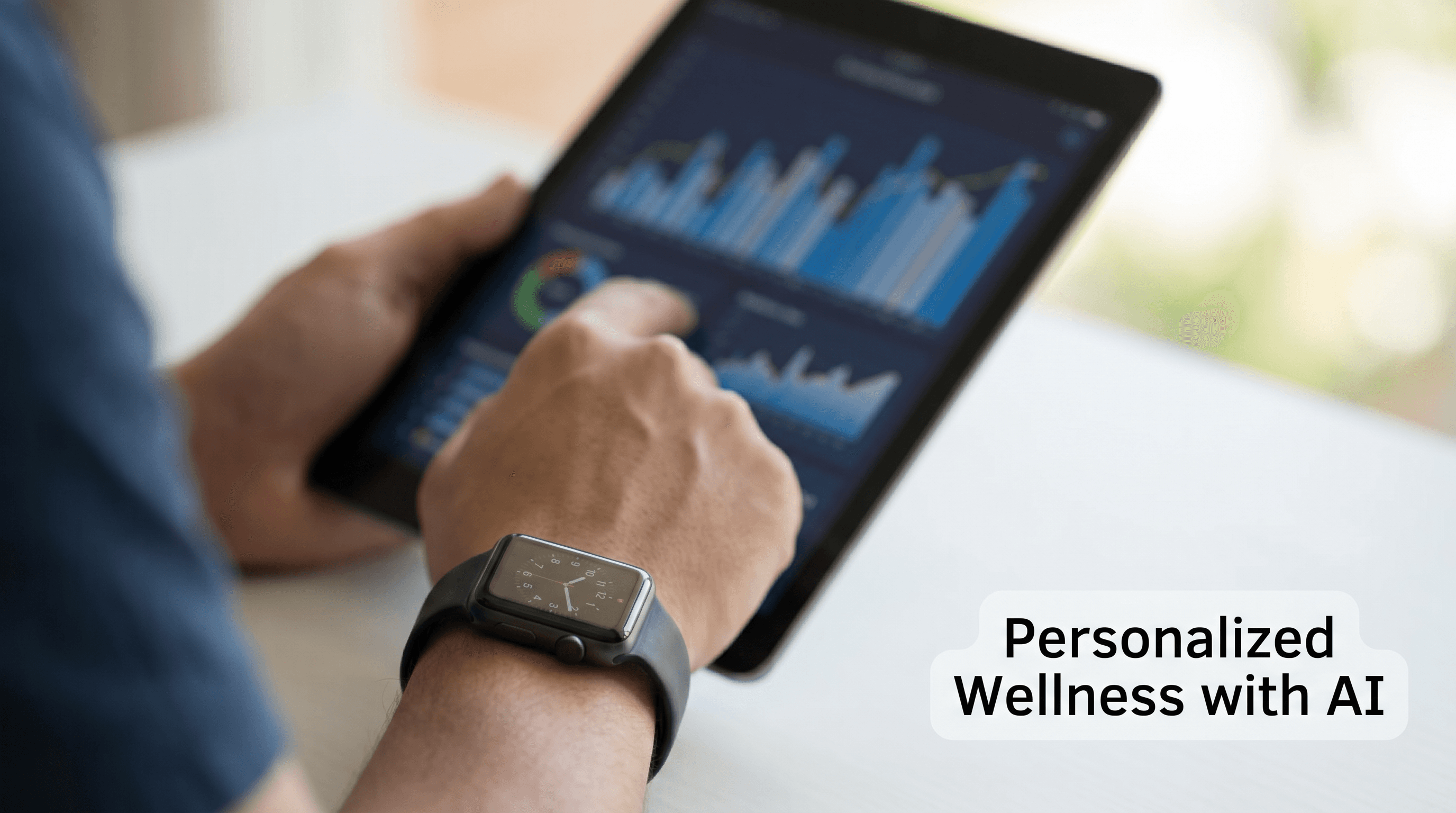
Wearable technology is another key driver of preventive AI. Devices that monitor heart rate variability, sleep patterns, glucose levels, and activity can feed real-time data into AI platforms. These platforms then analyze deviations from baseline health patterns and generate alerts for potential concerns such as:
- Arrhythmias
- Metabolic dysfunction
- Chronic stress
- Sleep irregularities
This continuous monitoring allows healthcare providers and patients to identify warning signs earlier than traditional methods.
AI and Clinician Collaboration
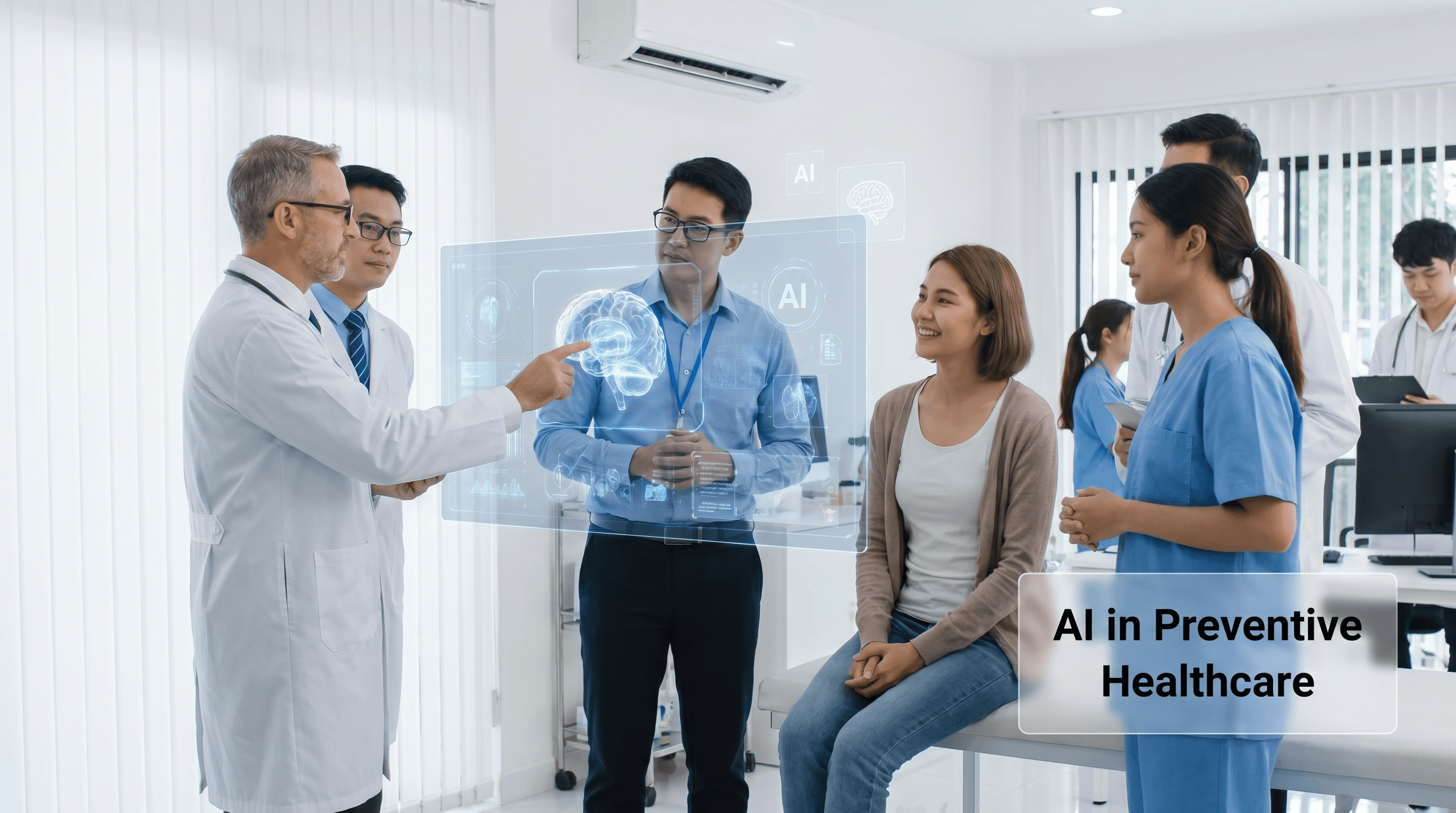
Importantly, AI does not replace clinicians—it augments them. Physicians can use AI-generated insights to make more informed decisions, prioritize high-risk patients, and personalize care plans.
The combination of human expertise and machine precision is leading to:
- Better patient outcomes
- Faster diagnoses
- Reduced healthcare costs
- More proactive healthcare strategies
Why Preventive Healthcare Matters
Traditional healthcare often focuses on treating diseases after symptoms appear. Preventive healthcare aims to identify risks earlier, allowing intervention before conditions become severe.
AI is helping healthcare systems move toward:
- Predictive medicine
- Personalized wellness plans
- Continuous health monitoring
- Earlier treatment pathways
This shift may fundamentally redefine how long-term wellness and disease prevention are managed.
The Future of Preventive AI
As adoption continues, preventive healthcare powered by AI is expected to become the standard rather than the exception. Future systems may become even more accurate through larger datasets, advanced machine learning, and deeper integration with wearable technology and telehealth platforms.
Healthcare providers will increasingly rely on AI-assisted insights to deliver more personalized, efficient, and preventive care experiences.
CuraVita Takeaway
Artificial intelligence is transforming preventive healthcare by helping clinicians identify risks earlier, personalize care, and improve long-term health outcomes. The future of healthcare is becoming more predictive, data-driven, and proactive.
FAQ
How is AI used in preventive healthcare?
AI analyzes medical records, wearable device data, imaging scans, and other health information to identify risks early and support preventive care.
Can AI detect diseases before symptoms appear?
In some cases, AI systems can identify early warning signs and health risks before noticeable symptoms develop.
Does AI replace doctors in preventive healthcare?
No. AI supports healthcare professionals by providing additional insights and improving decision-making.
References
- World Health Organization – Digital Health Guidelines
- National Institutes of Health – AI in Healthcare Research
- Nature Medicine – AI diagnostic studies
Related Articles
Get your free wellness guide
Be among the first to receive science-backed wellness research, delivered weekly.
No spam, ever. Unsubscribe anytime. We never share your email.