
AI in Medical Diagnosis: Can Algorithms Really Outperform Doctors?

AI in Medical Diagnosis: Can Algorithms Really Outperform Doctors?
The question of whether artificial intelligence can outperform physicians in medical diagnosis has sparked both excitement and skepticism. While AI has demonstrated impressive capabilities in certain domains, the reality is more nuanced. AI systems excel at pattern recognition, particularly in areas like radiology, dermatology, and pathology, where large datasets can be used to train highly specialized models.
For instance, AI algorithms have shown comparable—and in some cases superior—accuracy to dermatologists in identifying skin cancers from images. Similarly, in radiology, AI can detect subtle anomalies in CT scans or MRIs that might be overlooked during a busy clinical workflow. These advancements are not about replacing doctors but enhancing diagnostic precision and reducing human error.
However, diagnosis is not purely a technical exercise. It involves context, patient history, ethical considerations, and nuanced decision-making that AI cannot fully replicate. A physician’s ability to interpret symptoms within the broader context of a patient’s life remains irreplaceable. AI lacks emotional intelligence, clinical intuition, and the ability to navigate complex human interactions.
Where AI Performs Best
AI systems are especially effective in areas that involve:
- Medical imaging analysis
- Pattern recognition
- Large-scale data processing
- Risk prediction
- Automated screening support
Machine learning models improve over time as they process more information and medical cases.
AI in Radiology and Dermatology
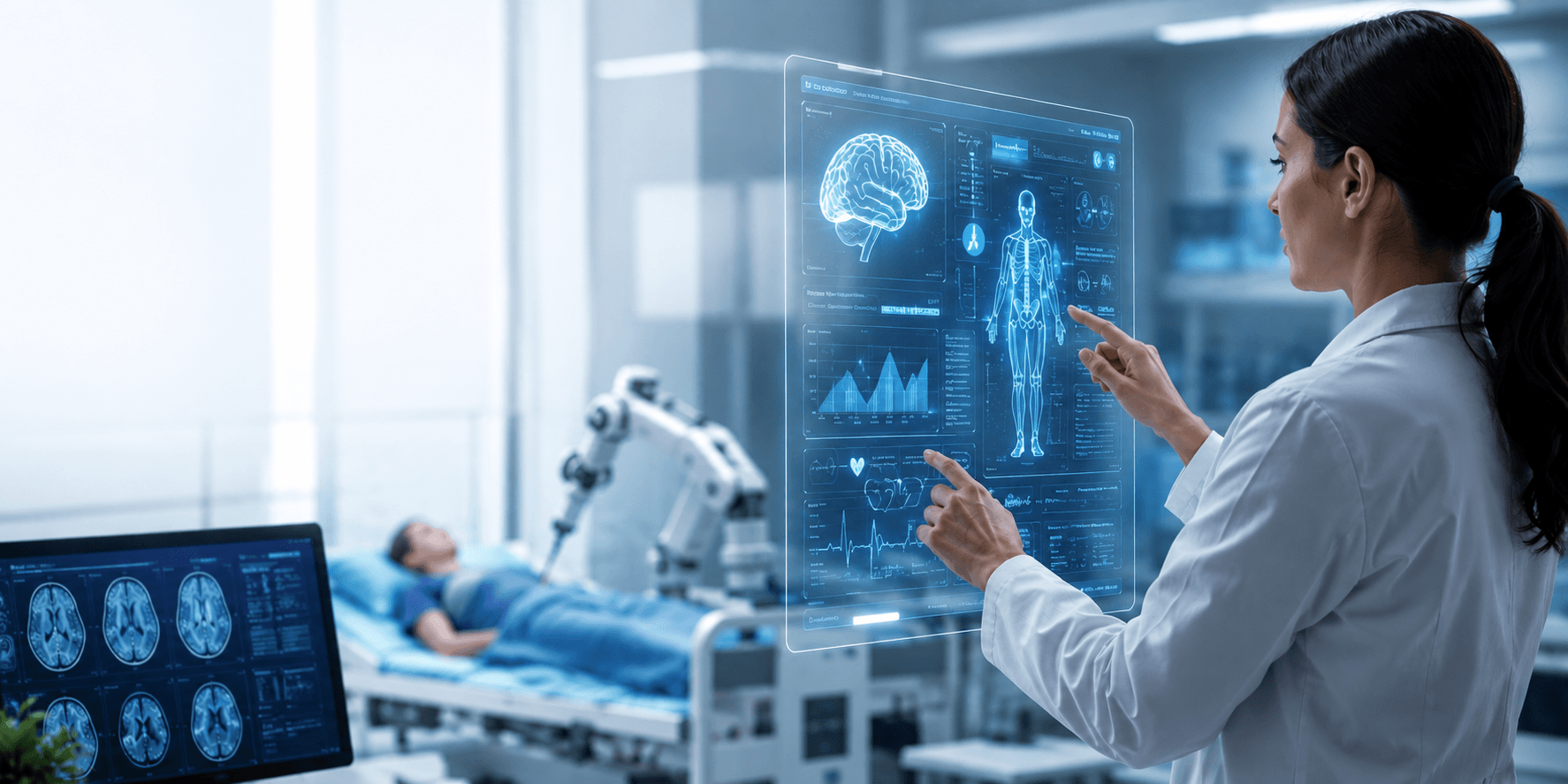
Radiology has become one of the leading fields for AI adoption. AI tools can assist clinicians in identifying:
- Tumors
- Lung abnormalities
- Brain changes
- Cardiovascular issues
Similarly, dermatology platforms can evaluate skin lesions and help identify possible cancers with impressive accuracy.
Why Doctors Remain Essential
Despite these technological advances, doctors provide critical human capabilities that AI cannot replace, including:
- Clinical judgment
- Emotional understanding
- Ethical decision-making
- Patient communication
- Personalized treatment planning
Diagnosis often requires understanding lifestyle, medical history, symptoms, and emotional context together.
The Rise of Collaborative Healthcare
The most effective model emerging today is a collaborative one. AI serves as a powerful diagnostic assistant, providing recommendations, highlighting risks, and supporting clinical decisions. Doctors, in turn, validate these insights and integrate them into a holistic understanding of the patient.
This collaboration helps:
- Improve diagnostic accuracy
- Reduce physician workload
- Support faster decision-making
- Minimize human error
- Deliver more personalized care
The Future of AI in Diagnosis
As AI continues to evolve, its role in diagnosis will expand—but always in partnership with human clinicians. Future healthcare systems may rely on AI-assisted diagnostics as a standard support tool across hospitals and clinics worldwide.
The future is not AI versus doctors; it is AI working alongside doctors to deliver faster, more accurate, and more personalized care.
CuraVita Takeaway
Artificial intelligence is transforming healthcare diagnostics by enhancing precision and supporting clinicians with advanced insights. The best outcomes come from combining AI-powered analysis with human expertise and compassionate patient care.
FAQ
Can AI diagnose diseases better than doctors?
In some image-based tasks such as radiology or dermatology, AI can match or exceed human accuracy. However, doctors remain essential for clinical judgment and patient care.
Will AI replace doctors?
No. AI is designed to support healthcare professionals, not replace them.
What medical fields use AI the most?
Radiology, dermatology, pathology, and predictive healthcare analytics are among the leading fields using AI today.
References
- The Lancet Digital Health – AI diagnostic accuracy studies
- JAMA – AI vs physician performance
- Stanford Medicine – AI healthcare research
Related Articles
Get your free wellness guide
Be among the first to receive science-backed wellness research, delivered weekly.
No spam, ever. Unsubscribe anytime. We never share your email.