
Stress Management That Actually Fits Real Life
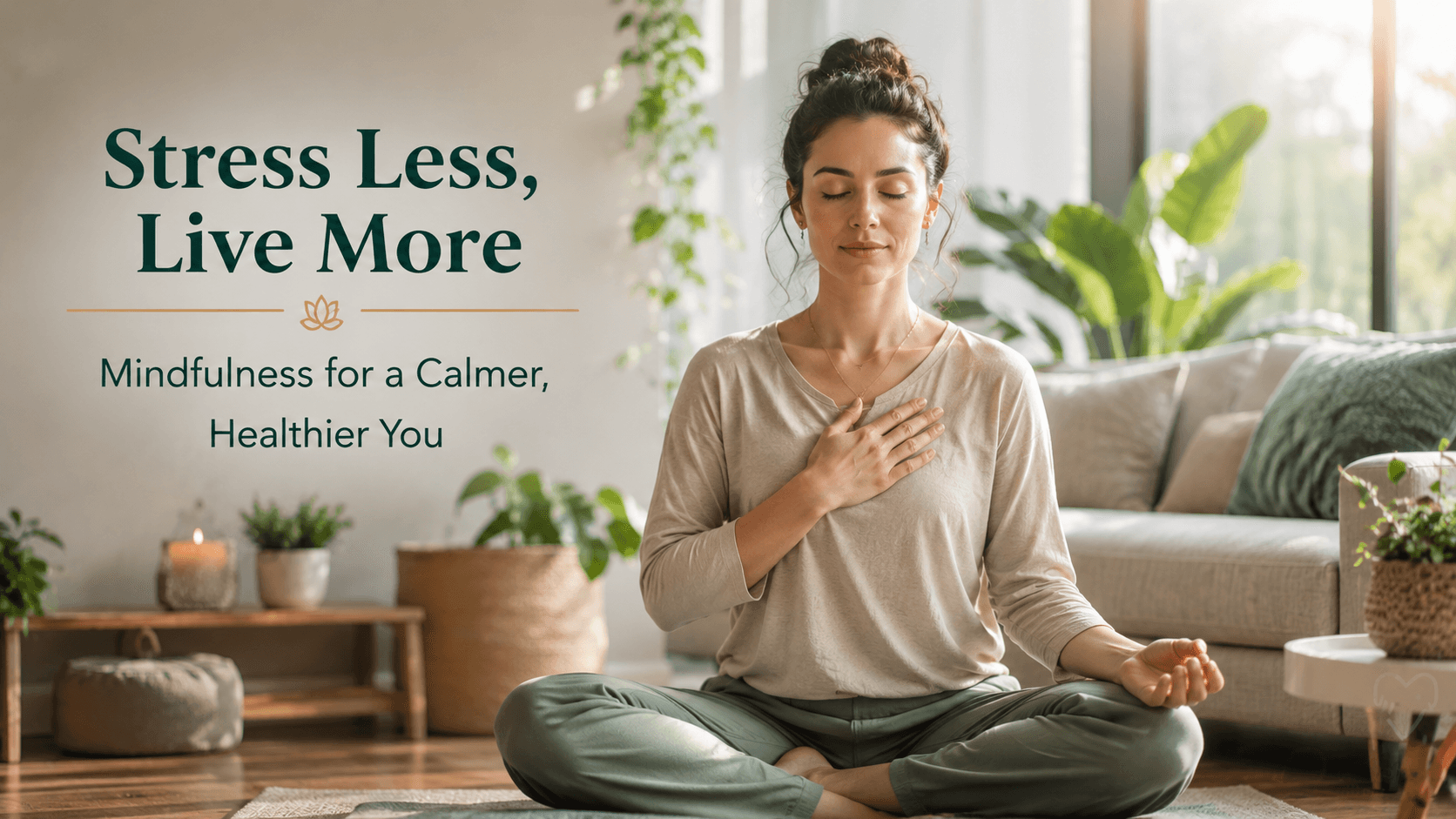
Stress Management That Actually Fits Real Life
Stress is part of life, but chronic stress is not something to ignore. According to NIH sources, long-term stress may contribute to or worsen headaches, digestive problems, sleep problems, asthma, and mental health concerns such as anxiety and depression.
That does not mean the goal is to eliminate stress completely. A more realistic goal is learning how to respond to stress in ways that protect your health, support recovery, and reduce the chance that tension becomes your body’s default setting.
What chronic stress can look like
Stress does not always show up as a dramatic breakdown. It can look like:
- trouble sleeping
- feeling constantly “on”
- irritability
- headaches or body tension
- reduced energy
- difficulty focusing
- unhealthy coping patterns
NIMH notes that stress can show up as excessive worry, tension, high blood pressure, body pain, and loss of sleep.
What actually helps
-
Move your body
Physical activity is one of the most practical stress-management tools available. CDC notes that exercise can reduce anxiety and improve sleep quality, two of the biggest issues stress tends to disrupt. -
Use mindfulness realistically
Mindfulness does not need to mean long silent meditation sessions. NCCIH describes mindfulness and meditation as approaches that may help with conditions such as anxiety, depression, and pain, while also noting that not every study is conclusive and some people can have negative experiences. That balanced view matters. Mindfulness can help many people, but it should be used thoughtfully, not treated like a cure-all. -
Build self-care into ordinary routines
NIMH notes that even small acts of self-care can have a meaningful impact on stress, illness risk, and energy. The goal is not a perfect wellness routine. It is repeatable habits that lower your baseline stress load. -
Protect sleep
Stress and sleep are tightly connected. If stress is keeping you up, improving evening routines, reducing stimulation, and setting aside enough time for sleep can make a meaningful difference. -
Get support before stress becomes a crisis
If stress is affecting your ability to function, your sleep, or your mental health, talking with a healthcare professional is a strong next step. This is especially important when symptoms are persistent or severe.
A 10-minute daily anti-stress framework
For people who want a simple starting point, a short daily routine can help:
- 2 minutes of slow breathing
- 5 minutes of walking or light movement
- 3 minutes of planning tomorrow’s top priorities
This specific format is a practical wellness suggestion rather than a formal guideline, but it is grounded in the evidence base supporting movement, mindfulness, and stress-reducing self-care behaviors.
A note on mindfulness and expectations
Mindfulness can be helpful, but it is not supposed to make you emotionless. Its real value is often in helping you notice stress responses earlier and choose a healthier next step. NCCIH also notes that meditation and mindfulness practices are usually low risk, though some people report adverse experiences, so these practices should be approached with awareness rather than hype.
CuraVita takeaway
The best stress-management plan is not the most impressive one. It is the one you can use on ordinary Tuesdays. Start small. Improve your sleep, move regularly, and experiment with short mindfulness or breathing practices that feel realistic for your life.
FAQ
What are common signs of chronic stress?
Common signs include sleep problems, tension, worry, body pain, and irritability.
Can mindfulness help with stress?
Mindfulness may help with stress-related symptoms for some people, though evidence varies by condition and it is not a one-size-fits-all solution.
Does exercise help reduce stress?
Yes. Physical activity is associated with less anxiety and better sleep quality.
References
- National Institute of Mental Health (NIMH). Stress and Mental Health.
- National Center for Complementary and Integrative Health (NCCIH). Stress and Mind-Body Practices.
- CDC. Mental Health and Coping.
- Mayo Clinic. Stress Management Techniques
Related Articles


Get your free wellness guide
Be among the first to receive science-backed wellness research, delivered weekly.
No spam, ever. Unsubscribe anytime. We never share your email.