

Why Sleep Is the Foundation of Better Health
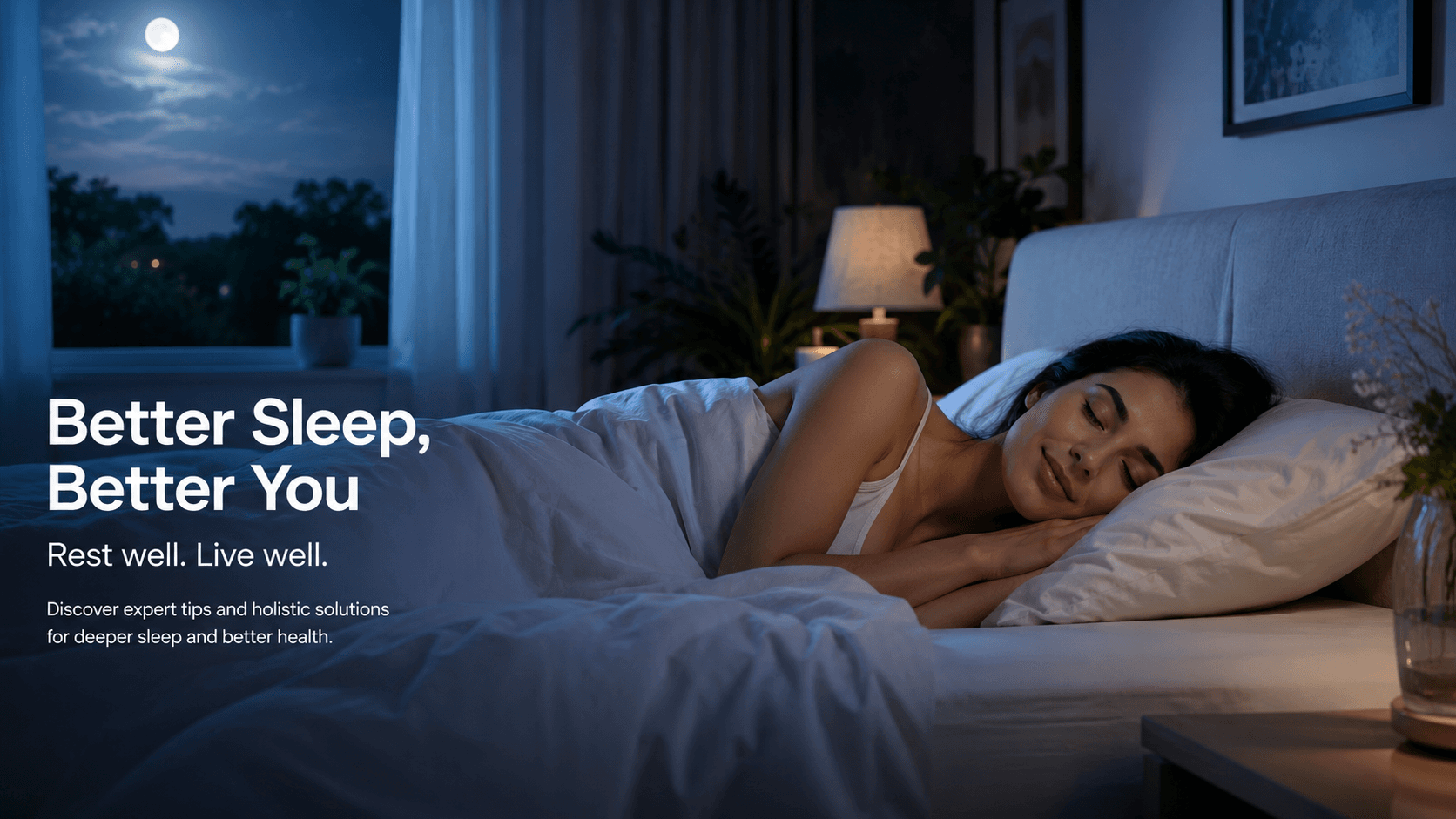
Why Sleep Is the Foundation of Better Health
Sleep is often treated like a luxury, but it is one of the most important pillars of long-term wellness. Good sleep supports energy, focus, mood, immune function, and overall recovery. Adults generally need at least 7 hours of sleep per night, and getting less than that on a regular basis is associated with higher health risks over time.
Why sleep matters more than most people realize
When sleep is too short or poor in quality, the effects are rarely limited to feeling tired the next day. Over time, insufficient sleep is linked with worse cardiovascular health, poorer blood pressure control, and lower day-to-day functioning. CDC also notes that more than 1 in 3 American adults do not get the recommended amount of sleep, which helps explain why sleep has become such a major public health issue.
Sleep also affects how you feel emotionally and mentally. Ongoing stress can disrupt sleep, and poor sleep can make stress harder to regulate. That cycle can leave people feeling stuck, fatigued, and less resilient. NIH sources note that stress is associated with sleep problems, while NIMH highlights that self-care habits, including adequate sleep, can help support mental health and daily energy.
What “healthy sleep” actually looks like
Healthy sleep is not only about clocking enough hours. It also means sleep that is regular, restorative, and reasonably uninterrupted. CDC guidance for adults generally points to 7 or more hours nightly, while other federal health sources emphasize good-quality sleep as well.
A sustainable sleep routine usually includes:
- a consistent bedtime and wake time
- enough time set aside for sleep
- a calming wind-down routine
- limiting disruptions close to bedtime
These habits are simple, but they matter because sleep works best when the body can rely on a predictable rhythm.
7 practical ways to improve sleep quality
-
Keep a consistent sleep schedule
Going to bed and waking up at roughly the same time helps reinforce your internal body clock. This is one of the most practical ways to improve sleep over time. -
Protect your sleep window
Many adults aim for productivity at the expense of sleep, but cutting sleep short repeatedly can work against energy, focus, and long-term health. Treat sleep as a fixed appointment rather than leftover time. -
Create a wind-down routine
A short pre-bed routine can help your body shift into rest mode. Reading, light stretching, gentle breathing, or other calming habits can make it easier to transition into sleep. -
Watch the stress-sleep cycle
Stress can make it harder to fall asleep, and poor sleep can intensify stress symptoms. If evenings are mentally busy, simple stress-management techniques can help reduce that carryover into bedtime. -
Move your body during the week
Physical activity supports sleep quality as well as mood and blood pressure. CDC notes immediate benefits of activity include better sleep and less anxiety. -
Avoid trying to “catch up” indefinitely
Sleeping in occasionally may help after a short night, but it does not fully solve a chronic sleep deficit. The stronger strategy is improving consistency across the week. This is an evidence-based inference from federal guidance emphasizing regular adequate sleep rather than sporadic recovery nights. -
Ask for help when sleep problems persist
If sleep issues are ongoing, severe, or affecting daily life, it is worth speaking with a healthcare professional. Chronic sleep disruption can overlap with stress, medical conditions, or sleep disorders that deserve attention.
CuraVita takeaway
Better sleep is one of the highest-return wellness habits available. It supports physical health, emotional balance, and sustainable energy. For many people, the goal is not perfection. It is consistency. Start with one change this week: protect your bedtime, set a stable wake time, or create a 15-minute wind-down routine you can repeat.
FAQ
How many hours of sleep do adults need?
Most adults need at least 7 hours of sleep each night, with some age groups needing slightly more.
Can exercise help me sleep better?
Yes. Physical activity is associated with improved sleep quality, along with other benefits such as lower anxiety and reduced blood pressure.
Is poor sleep really linked to heart health?
Yes. CDC notes that ongoing insufficient sleep can contribute to serious health problems and worsen some existing conditions, including heart-related risks.
References
- Centers for Disease Control and Prevention (CDC). Sleep and Sleep Disorders.
- CDC. How Much Sleep Do I Need?
- National Institutes of Health (NIH). Sleep Health.
- American Heart Association (AHA). Sleep and Cardiovascular Health.
Related Articles



Get your free wellness guide
Be among the first to receive science-backed wellness research, delivered weekly.
No spam, ever. Unsubscribe anytime. We never share your email.